
The Ultimate Guide to Bus & Coach Rental: Get the Best Price & Vehicle
October 12, 2025
What is Bus and Coach Rental? Your Complete Transportation Solution
Types of Buses and Coaches: Choosing the Right Vehicle
Minibus (25-35 Passengers): Ideal for small groups
Charter Bus (40-55 Passengers): Perfect for medium groups
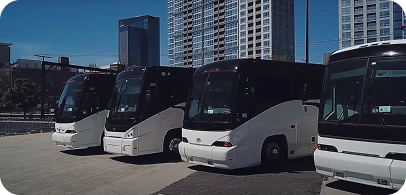
Motorcoach (50-60 Passengers): Best for long distances
School Bus: Most economical choice
How Much Does It Cost to Rent a Bus? Pricing Breakdown
Base Rental Rate
Distance and Fuel Costs
Driver Fees and Gratuity
Insurance and Taxes
Seasonal Price Variations
5 Key Factors That Affect Your Rental Price
How to Get the Best Deal: 7 Money-Saving Tips
The Booking Process: 5 Simple Steps to Reserve Your Bus
10 Essential Questions to Ask Before You Book
Common Mistakes to Avoid When Renting a Bus
Understanding Rental Agreements and Contracts
Pre-Trip Checklist: What to Do Before Your Rental
What to Expect on Rental Day: A Timeline
Conclusion: Your Path to the Perfect Bus Rental
Ready to Book? Get Your Free Quote Today
1. What is Bus and Coach Rental? Your Complete Transportation Solution
Bus and coach rental provides organized group transportation using commercial vehicles for specific trips, events, or schedules. Unlike public transit with fixed routes, private rentals offer customized solutions where you control the destination, timing, and itinerary. This service is ideal for groups needing dedicated transportation without the logistical challenges of multiple vehicles.
Key Benefits:
Cost-effective for groups compared to multiple cars
Professional drivers familiar with large vehicles
Customizable routes and schedules
Group stays together throughout journey
Multiple vehicle types for different needs
Common Use Cases:
Corporate events and business travel
School trips and athletic teams
Wedding party transportation
Airport shuttle services
Church group outings
Tour groups and sightseeing
This transportation solution eliminates the stress of coordinating multiple vehicles while ensuring everyone arrives together safely and on time.
2. Types of Buses and Coaches: Choosing the Right Vehicle
- Minibus (25-35 Passengers): Ideal for small groups
- Charter Bus (40-55 Passengers): Perfect for medium groups
- Motorcoach (50-60 Passengers): Best for long distances
- School Bus: Most economical choice
Minibus (25-35 Passengers)
Ideal for: Small corporate groups, airport transfers, local tours
Most economical for smaller groups
Easy to maneuver in urban areas
Typically includes basic amenities
Perfect for distances under 3 hours
Charter Bus (40-55 Passengers)
Perfect for: Medium groups, sports teams, church groups
Includes overhead storage compartments
Standard restroom facilities
Comfortable reclining seats
Ideal for trips under 6 hours
Motorcoach (50-60 Passengers)
Best for: Long-distance travel, luxury tours, corporate events
Spacious luggage compartments
Onboard restroom and Wi-Fi
Premium seating with more legroom
Entertainment systems available
Suitable for multi-day trips
School Bus
Most economical for: School trips, youth groups, budget transportation
Most cost-effective option
Meets all safety standards
High seating capacity (up to 72 passengers)
Basic transportation without amenities
Executive Coach
Premium choice for: Corporate events, VIP transportation, luxury tours
First-class seating with tables
Enhanced entertainment systems
Galley kitchen and refreshment areas
Professional interior styling
Highest comfort level available
Accessible Buses
Essential for: Groups with mobility needs, ADA compliance
Wheelchair lifts and securements
Priority seating areas
Additional safety features
Available in various sizes
Key Selection Factors:
Group size and composition
Trip duration and distance
Budget constraints
Amenity requirements
Accessibility needs
Pro Tip: Always discuss your specific route and parking requirements with the rental company, as some vehicles may have restrictions in certain areas.
3. How Much Does It Cost to Rent a Bus? Pricing Breakdown
- Base Rental Rate
- Distance and Fuel Costs
- Driver Fees and Gratuity
- Insurance and Taxes
- Seasonal Price Variations
Base Rental Rate
Hourly Rates: $100-$250 per hour (typically 5-8 hour minimum)
Daily Rates: $800-$1,500 per day (12-15 hour maximum)
Weekend/Multi-day: $1,500-$4,000+ (depending on distance and amenities)
Distance and Fuel Costs
Mileage Charges: $1.50-$4.00 per mile beyond included mileage
Fuel Surcharges: Varies with current fuel prices
Trip Planning Fee: $50-$200 for complex routing
Deadhead Miles: Charged for positioning the bus
Driver Fees and Gratuity
Driver Salary: $150-$300 per day
Overnight Fees: $150-$250 for driver accommodations
Gratuity: 10-20% of base rate (industry standard)
Meal Allowance: $25-$50 per day
Insurance and Taxes
Liability Insurance: Included in base rate
Damage Protection: $50-$150 per rental
State/Local Taxes: 5-15% depending on location
Peak Season Surcharge: 15-30% higher (summer, holidays)
Weekend Premium: 10-25% extra (Friday-Sunday)
Additional Cost Factors
Parking/Tolls: Actual cost plus service fee
Cleaning Fee: $100-$300 if excessive cleaning needed
Cancellation Fee: 25-100% depending on notice given
Overtime Charges: 1.5x hourly rate after contracted hours
Sample Cost Scenarios:
Local Wedding (8 hours, 50 miles): $1,200-$2,000
Weekend Trip (3 days, 500 miles): $3,500-$6,000
Corporate Transfer (4 hours, airport): $800-$1,500
Note: Always request detailed quotes with all fees itemized to avoid surprises. Prices vary by region, company, and vehicle quality.
4. 5 Key Factors That Affect Your Rental Price
Trip Distance & Duration
Longer trips increase fuel and driver costs
Minimum rental periods (often 5-8 hours) apply
Overnight trips require driver accommodation fees
2. Season & Demand
Peak seasons (summer, holidays) cost 15-30% more
Weekend rates are higher than weekdays
Local events can surge prices due to demand
3. Vehicle Type & Amenities
Luxury coaches cost more than standard buses
Features like Wi-Fi, restrooms, or premium seating increase price
Older vs. newer fleet vehicles vary in cost
4. Booking Lead Time
Last-minute bookings often have premium pricing
Early reservations (30+ days) typically secure better rates
Cancellation policies vary based on timing
5. Additional Services & Fees
Parking and toll costs are passed to customer
Cleaning fees for excessive post-trip mess
Insurance waivers or additional coverage options
Tip: Ask about package deals for multi-day rentals and off-peak discounts for flexible travel dates.
5. How to Get the Best Deal: 7 Money-Saving Tips
1. Book Early for Better Rates
Reserve 2-3 months in advance for peak season
Secure lower rates before prices increase
Ensure vehicle availability for your dates
2. Be Flexible with Your Travel Dates
Choose weekday rentals over weekends
Avoid holiday periods and special events
Consider shoulder season (spring/fall) for savings
3. Compare Multiple Quotes
Get at least 3 detailed quotes from different companies
Compare included mileage and hours
Watch for hidden fees in the fine print
4. Choose the Right-Sized Vehicle
Don’t pay for empty seats – match vehicle to group size
Consider multiple smaller buses instead of one large coach
Ask about vehicle availability for potential upgrades
5. Optimize Your Itinerary
Minimize deadhead miles (empty positioning)
Plan efficient routes to reduce driving time
Combine multiple stops logically
6. Negotiate Package Deals
Ask about multi-day discounts
Inquire about off-peak specials
Request loyalty discounts for repeat business
7. Understand What’s Included
Avoid unnecessary amenities you won’t use
Clarify fuel and toll policies upfront
Ask about all-inclusive package options
Smart Strategy: Build relationships with local companies – they often offer better rates to repeat customers and may provide last-minute discounts for unfilled vehicles.
6. The Booking Process: 5 Simple Steps to Reserve Your Bus
Step 1: Gather Your Trip Details
Determine exact passenger count
Finalize travel dates and itinerary
Note any special needs (accessibility, storage)
Identify pickup/drop-off locations
Step 2: Research & Get Quotes
Contact 2-3 reputable companies
Provide identical trip details to each
Request all-inclusive written quotes
Verify what’s included in each price
Step 3: Compare & Select
Review company credentials and insurance
Read recent customer reviews
Compare vehicle ages and amenities
Assess customer service responsiveness
Step 4: Review & Sign Contract
Read cancellation policy carefully
Verify payment schedule and methods
Confirm driver credentials and hours
Ensure all special requests are documented
Step 5: Final Confirmation
Receive written confirmation number
Get driver contact information
Review pre-trip checklist
Confirm final headcount 48 hours before
Pro Tip: Always book directly with the operator rather than through third-party brokers to avoid markup fees and ensure clear communication.
9. 10 Essential Questions to Ask Before You Book
1. What is included in the quoted price?
Ask for a full breakdown of all costs
Confirm there are no hidden fees
Understand what mileage, hours, and services are included
2. What is your cancellation policy?
Learn the deadline for full refunds
Understand penalty fees for late cancellations
Ask about weather-related cancellation policies
3. What insurance coverage do you provide?
Verify the company has adequate liability insurance
Ask about additional insurance options
Understand what damages you might be responsible for
4. What are your driver’s qualifications?
Confirm all drivers have commercial licenses
Ask about driver experience and background checks
Verify drivers know your specific route
5. What happens in case of breakdown or emergency?
Ask about their backup vehicle policy
Understand their response time for emergencies
Get their 24/7 emergency contact number
6. What amenities are included?
Confirm availability of restrooms, WiFi, and AC
Ask about charging ports and entertainment systems
Check luggage capacity for your group’s needs
7. What are the payment terms?
Ask about deposit requirements and due date
Understand final payment timing
Learn what payment methods are accepted
8. Are there any route restrictions?
Confirm the vehicle can access your destinations
Ask about low clearance or weight restrictions
Verify parking availability at all stops
9. What is your safety record?
Request the company’s safety rating
Ask about recent inspections and maintenance
Inquire about their COVID-19 cleaning protocols
10. Can you provide recent references?
Ask for references from similar trips
Check online reviews across multiple platforms
Verify their USDOT number for legitimacy
Smart Tip: Keep the answers to these questions documented and compare them across different companies to make the best choice for your group’s needs and budget.
8. Common Mistakes to Avoid When Renting a Bus
Booking Based on Price Alone
Choosing the cheapest option without comparing what’s included
Ignoring company reputation and safety records
Overlooking hidden fees in the fine print
2. Providing Inaccurate Passenger Counts
Underestimating your group size
Not accounting for luggage and equipment
Last-minute additions causing vehicle size issues
3. Not Reading the Contract Thoroughly
Skipping the cancellation policy details
Missing important clauses about damages
Not understanding payment schedules
4. Waiting Until the Last Minute
Limited vehicle availability
Higher prices for emergency bookings
Rushed decisions without proper research
5. Ignoring Insurance and Liability
Assuming everything is covered automatically
Not asking about damage protection options
Overlooking certificate of insurance requirements
6. Poor Communication with the Company
Not sharing your full itinerary in advance
Failing to mention special needs or accessibility requirements
Not confirming details 48 hours before the trip
7. Underestimating Travel Time
Not accounting for traffic and rest stops
Overloading the schedule with too many activities
Forgetting to include driver break times
8. Not Inspecting the Vehicle Before Departure
Failing to note existing damage
Not checking that all amenities work
Skipping the pre-trip walkthrough
9. Overlooking the Driver’s Role
Not accounting for driver’s mandatory break times
Forgetting to plan for driver accommodations on long trips
Not including gratuity in your budget
10. Assuming All Buses Are the Same
Not verifying the specific amenities you need
Overlooking age and condition of the vehicle
Not asking about maintenance schedules
Key Takeaway: The cheapest option often becomes the most expensive when problems arise. Prioritize safety, reputation, and clear communication over price alone to ensure a smooth rental experience
9. Understanding Rental Agreements and Contracts
Key Components of Every Rental Contract:
1. Parties Involved
Your legal name and contact information
Rental company’s legal business name
Authorized representatives from both sides
2. Vehicle and Service Specifications
Exact vehicle type, year, and identification number
Specific amenities guaranteed (AC, restrooms, WiFi)
Special equipment included (wheelchair lifts, storage)
3. Trip Details
Exact dates and times of service
Pickup and drop-off locations
Approved route and destinations
Waiting time policies and charges
4. Payment Terms
Total cost and payment schedule
Deposit amount and due date
Final payment deadline
Accepted payment methods
Late payment penalties
5. Cancellation Policy
Deadline for full refund
Sliding scale of cancellation fees
Weather-related cancellation terms
“Force majeure” clause interpretations
6. Insurance and Liability
Company’s insurance coverage limits
Your financial responsibility for damages
Accident reporting procedures
Deductible amounts for different scenarios
7. Driver Regulations
Maximum driving hours per day
Mandatory break requirements
Overnight accommodation requirements
Driver gratuity policy
8. Client Responsibilities
Passenger conduct requirements
Damage and cleaning responsibilities
Prohibited items and activities
Supervision requirements for minors
9. Company Guarantees
On-time performance standards
Vehicle replacement protocols
Emergency procedures
Service quality commitments
10. Additional Clauses
Fuel surcharge calculations
Toll and parking fee responsibilities
Overtime rate structures
Change order procedures
Red Flags to Watch For:
Vague terminology like “standard fees” or “applicable charges”
Unlimited company rights to substitute vehicles
One-sided cancellation policies
Unclear damage assessment procedures
Always request changes in writing and keep signed copies of all contract versions. Don’t hesitate to ask for clarification on any point you don’t fully understand.
10. Pre-Trip Checklist: What to Do Before Your Rental
1. Confirm All Details (1 Week Before)
Verify pickup/drop-off times and locations
Confirm final passenger count
Review itinerary with rental company
Ensure special requests are documented
2. Documentation Preparation
Print copies of signed contract
Have insurance information ready
Prepare driver emergency contact numbers
Organize payment method for final balance
3. Vehicle Inspection Plan
Note pre-existing damage with photos/video
Test all amenities (AC, restrooms, seats)
Verify luggage capacity meets needs
Check emergency equipment location
4. Passenger Communication
Distribute itinerary to all passengers
Share pickup times and locations clearly
Communicate baggage restrictions
Explain conduct expectations and rules
5. Route and Logistics Verification
Confirm parking availability at all stops
Check for road closures or construction
Plan rest stop locations for long trips
Identify emergency medical facilities along route
6. Emergency Preparedness
Save company’s 24/7 emergency number
Prepare first aid kit if not provided
Have backup transportation plan
Share trip details with emergency contact
7. Final Day Preparation
Check weather forecasts
Charge all electronic devices
Pack necessary entertainment
Prepare snacks and beverages if allowed
8. Last-Minute Verification (24 Hours Before)
Confirm driver assignment
Verify vehicle preparation
Review final weather conditions
Reconfirm pickup time with driver
Pro Tip: Designate one point person for all communication with the driver and rental company to avoid confusion and ensure smooth coordination throughout your trip.
11. What to Expect on Rental Day: A Timeline
1. 30-60 Minutes Before Pickup: Driver Check-in
Driver calls or texts your designated contact
Provides ETA and vehicle description
Confirms exact pickup location
2. 15 Minutes Before Departure: Vehicle Arrival
Bus arrives at specified location
Driver assists with luggage loading
You complete quick exterior inspection
3. At Scheduled Pickup Time: Boarding Process
Driver reviews safety features and rules
Demonstrates restroom and emergency exits
Assigns seats if needed for organization
4. Departure + 15 Minutes: Systems Check
Climate control adjustment
Entertainment system demonstration
WiFi password distribution
First comfort stop confirmation
5. During Travel: Regular Updates
Driver announces upcoming stops
Progress reports on timeline
Weather or traffic condition updates
Rest break scheduling every 2-3 hours
6. At Destinations: Arrival Protocol
Designated unloading areas
Clear instructions for return times
Driver remains with vehicle (typically)
Emergency contact numbers shared
7. Return Trip: Preparation
Passenger headcount verification
Scheduled departure confirmation
Additional stop requests communicated
8. Final Drop-off: Conclusion
Complete luggage removal
Final vehicle inspection with driver
Gratuity handling (if applicable)
Feedback opportunity with company
Important Reminders:
Driver is responsible for timing and safety decisions
Keep aisles clear at all times
Follow designated smoking/vaping policies
Report any issues immediately to driver
Pro Tip: Designate one person as the primary contact for the driver to maintain clear communication throughout the entire rental period.
12 Conclusion: Your Path to the Perfect Bus Rental
Finding the right bus rental doesn’t have to be complicated or stressful. By following this comprehensive guide, you’re now equipped with the knowledge to make informed decisions that balance cost, comfort, and safety. Remember that the perfect rental matches your specific needs—whether it’s a minibus for intimate gatherings or a full-sized motorcoach for cross-country adventures.
Key Takeaways:
Your vehicle choice should align with both group size and trip requirements
Understanding pricing structures prevents unexpected costs
Early planning and comparison shopping maximize value
Clear communication with rental companies ensures smooth experiences
The journey to successful group transportation begins with careful planning and ends with peace of mind. You now possess all the tools needed to navigate the rental process confidently, from initial research to final booking.
Your adventure awaits—start with the right vehicle and focus on creating memorable experiences with your group.
13. Ready to Book? Get Your Free Quote Today
Similar Posts

 February 2, 2026 Cost & Pricing
Coach Bus Features: How Much Will They Cost You?
Planning is the key to success, especially when it comes to long bus trips. For your ride to be as…
Read more January 26, 2026 Cost & Pricing
6 Tips for Stretching You Can Do From Your Seat While Traveling
Long road trips can be quite fun, especially when you’re traveling with family or friends. All throughout the trip, there’s…
Read more January 26, 2026 Cost & Pricing
Tips for Traveling with Kids on a Bus
Travel is one of the best ways to unwind and relax. It is an opportunity to unplug from the gruesome…
Read more October 25, 2025 Cost & Pricing
Coach Bus Rental Cost: What Factors Influence the Price in 2025?
To shewing another demands sentiments. Marianne property cheerful informed at striking at. Clothes parlors however by cottage on. In views…
Read more October 12, 2025 Cost & PricingThe Ultimate Guide to Bus & Coach Rental: Get the Best Price & Vehicle
What is Bus and Coach Rental? Your Complete Transportation Solution Types of Buses and Coaches: Choosing the Right Vehicle Minibus…
Read more